
The Way the house Treats Partnerships as well as Why They Remain Rare
In an industry where label collaborations have become a steady revenue lever, The Row has taken the contrary path. The brand was founded by Mary-Kate and Ashley Olsen on a ethos of restraint, and this very restraint dictates how — and whether — the brand works with outside partners. Competitors pump out limited collections with sneaker brands, artists, or rival maisons on a quarterly basis, yet The Row has put out next to none. The way the label functions, from runway shows to the design of the row bags that anchor its accessories line, is shaped by this intentional business and creative strategy — scarcity, by no means an accident, is the point.
Grasping why joint projects are so rare at The Row calls for looking at its founding story, its approach to pricing, and its enduring place within the luxury fashion world.
Instead of building a trend-fueled name, The Olsens worked toward something resembling a design studio: quiet, deliberate, measured in pace by design.
Understated Opulence Ahead of Its Naming: The Core Ethos
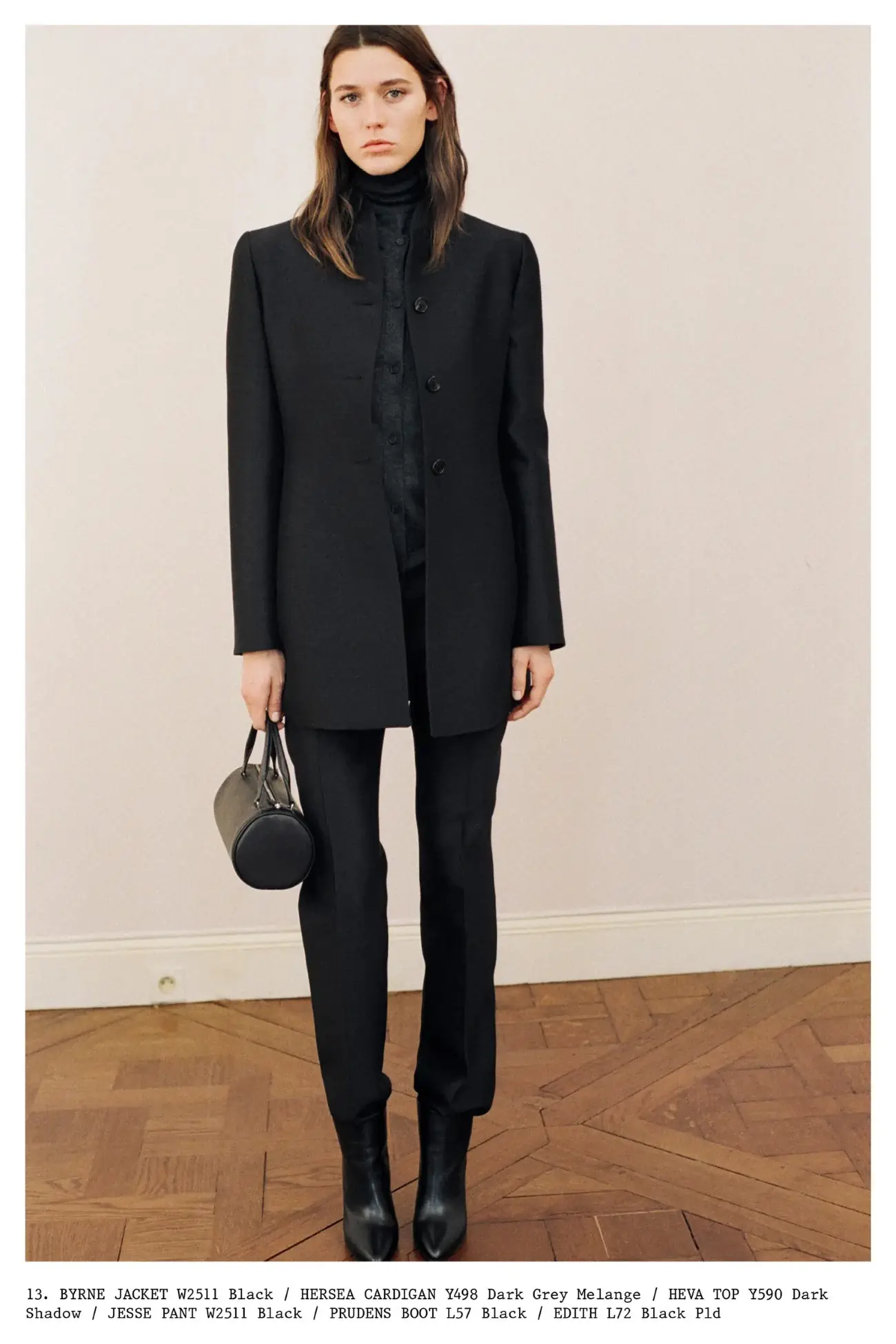
The Row launched in 2006, years before “quiet luxury” became a marketing buzzword. From the beginning, the brand prioritized construction quality, fabric sourcing, and understated silhouettes over logos or seasonal gimmicks. This ethos naturally resists the collaboration model, which usually depends on visibility, novelty, and a limited-time sense of urgency.
Brand partnerships succeed most for names that flourish through pop-culture relevance — consider limited sneaker launches or street-style crossovers that vanish within minutes. In contrast, The Row’s clientele prizes consistency. A shopper with three or four the row handbags on hand isn’t after some co-branded gimmick; instead, they want another item that slots effortlessly into a wardrobe assembled over years rather than seasons.
This is one reason why the row-bags round-up dialogue among stylists and resellers rarely includes capsule drops. The brand’s bag architecture — the Margaux, https://row-fashion.com/ the Bourse, and the Soft Lock — was conceived as fixed rather than seasonal. In many respects, staying power and collaboration pull against one another structurally.
Ever since it entered the official schedule in 2015, its catwalk presentations have steered clear of the theatrical staging and celebrity front-row spectacle that frequently comes with partnership launches in the wider industry. The presentation holds every bit as restrained as the merchandise it presents.
The Calculus Underlying Declining Something, Unpacked
The Row understands this better than most present-day houses, given that rarity carries commercial value. When a brand collaborates too often, exclusivity erodes. Aftermarket worth for staple pieces can decline if an oversupply of limited-run pieces saturate the marketplace jockeying for buyer notice. By keeping a narrow and stable product lineup, The Row has instead safeguarded the resale strength of its core handbag lines.
This matters concretely: the top-performing row bags — chiefly the Margaux in its various sizes, together with the Bourse and Soft Clutch — retain their worth reliably precisely because they are never reissued in twenty colorways a year or redesigned around another name’s insignia pressed into the hardware. A shopper who acquires the row bag today can fairly assume the same silhouette to exist, with little alteration, three years from now.
There’s also a pricing rationale. The row handbags usually range across the $2,000 to $6,000+ price band based on size, leather, and hardware finish. At that price tier, buyers are investing in lasting quality and design consistency, instead of a piece of fleeting cultural buzz. A flashy collaboration would risk undermining the very qualities customers are paying a premium for.
In financial terms, this approach also reduces manufacturing complexity. Partnerships demand fresh licensing agreements, joint manufacturing coordination, and promotional budgets divided between two brands. Its compact, tightly managed operation — said to have limited retail doors and a purposefully limited wholesale footprint — isn’t designed to accommodate this type of scaling.
The Rare Partnerships That Did Occur
The brand hasn’t completely ruled out outside partnerships, but such cases are rare and revealing. Of note, the label has now and then dabbled in footwear and select material sourcing partnerships as opposed to flashy joint fashion ranges. These initiatives are often quiet enough that those browsing the row fashion casually may never notice that a collaboration took place.
This is a deliberate contrast to peers. Luxury houses like Louis Vuitton or Fendi have run several headline-making artist and designer partnerships in just one year. The Row’s approach, by comparison could produce one understated partnership across several years — and even then, the brand rarely amplifies it with heavy marketing.
The scarcity of collaboration announcements also directly shapes demand patterns during a row sale. With no revolving set of limited editions to hunt, discount windows keep attention fixed on the essentials — specifically the tote bag, Margaux, and standout outerwear — rather than diluting attention across novelty releases.
This consistency has also brought more predictability to resale and consignment shopping. Buyers searching for where to buy the row Margaux bag on secondary markets can generally trust that price standards stay anchored to a stable design language instead of shifting collaboration-driven hype waves.
How This Shapes the Handbag Line Specifically
The scarcity of collaborations has enabled the label’s design team to concentrate fully on polishing a small number of shapes rather than continually churning out new ones for marketing cycles. The Margaux, introduced in 2016, remains one of the label’s most requested styles a decade later — a rare feat in an industry where “it bags” typically cycle out within just a couple of years.
The row tote bag styles follow the same logic. Rather than releasing a new tote silhouette every season, progress has come slowly, tweaking dimensions, hardware and strap elements, or leather treatments while keeping the underlying character intact. This is a clear break from brands that rely on collaboration-driven tote releases to drum up seasonal buzz.
Below is a comparative snapshot of how The Row’s approach to bag releases differs from a conventional collaboration-driven luxury competitor.
| Factor | The Row | Standard Collaboration-Heavy Luxury Label |
|---|---|---|
| How often collaborations occur | Uncommon — sporadic partnerships that stay under the radar | Multiple per year, often high-profile |
| How long a core bag shape stays in production | Often a decade or longer (e.g., Margaux since 2016) | Typically 2–3 years before redesign |
| Marketing approach | Low-key, restrained, with little press push | Heavy campaign push, influencer seeding |
| Resale value stability | Fairly stable, thanks to a restrained release schedule | Can fluctuate with each new collaboration drop |
| Retail distribution | Selective, limited doors and e-commerce presence | Wide-reaching wholesale and multi-brand placement |
What this table reveals is why shoppers researching top row bags often come across a smaller, steadier catalog compared to competitors — and why that steadiness is seen as an asset rather than a drawback.
What This Means for Shoppers in 2026
For anyone considering a The Row purchase in 2026, the key point is clear: don’t count on a collaboration-driven release calendar, and plan purchases around core pieces rather than waiting for limited editions. The brand’s e-commerce site and select flagship stores remain the safest bet for genuine inventory, particularly for high-demand items like the Margaux.
Given that manufacturing volumes are purposely limited, popular sizes and leathers of the row bag lineup can be depleted and take time to restock. Shoppers committed to securing a specific piece should keep a close eye on official sources rather than depending exclusively on third-party resellers, especially when searching for guidance on where to buy the row Margaux bag in a specific size or leather.
Sale periods for the brand, on the rare occasions they occur, typically emphasize ready-to-wear and select accessories rather than deep discounts on the most coveted bag styles, mirroring the brand’s general reluctance toward anything that might cheapen perceived value. This is consistent with how the brand handles all promotional activity — cautiously and infrequently.
At its core, The Row’s rarity around collaborations isn’t a hole in its promotional playbook; it serves as the backbone of the label’s whole identity. Within an industry crowded with collaborative chatter, opting out has become one of The Row’s most singular — and most understatedly successful — calculated moves.